

HOCl Atomizing—The Safest Choice for Serious Equine Biosecurity

The Smarter Way to Control Airborne Contaminants in Barns, Stalls, and Trailers
In busy equine environments, hours are spent wiping down surfaces while one of the most critical pathways of exposure often goes overlooked — shared air. HOCl atomizing offers a far more comprehensive approach by simultaneously treating both the air and the surfaces horses come into contact with, helping reduce contaminants that contribute to cross-contamination concerns in stalls, trailers, wash areas, and shared equipment zones.
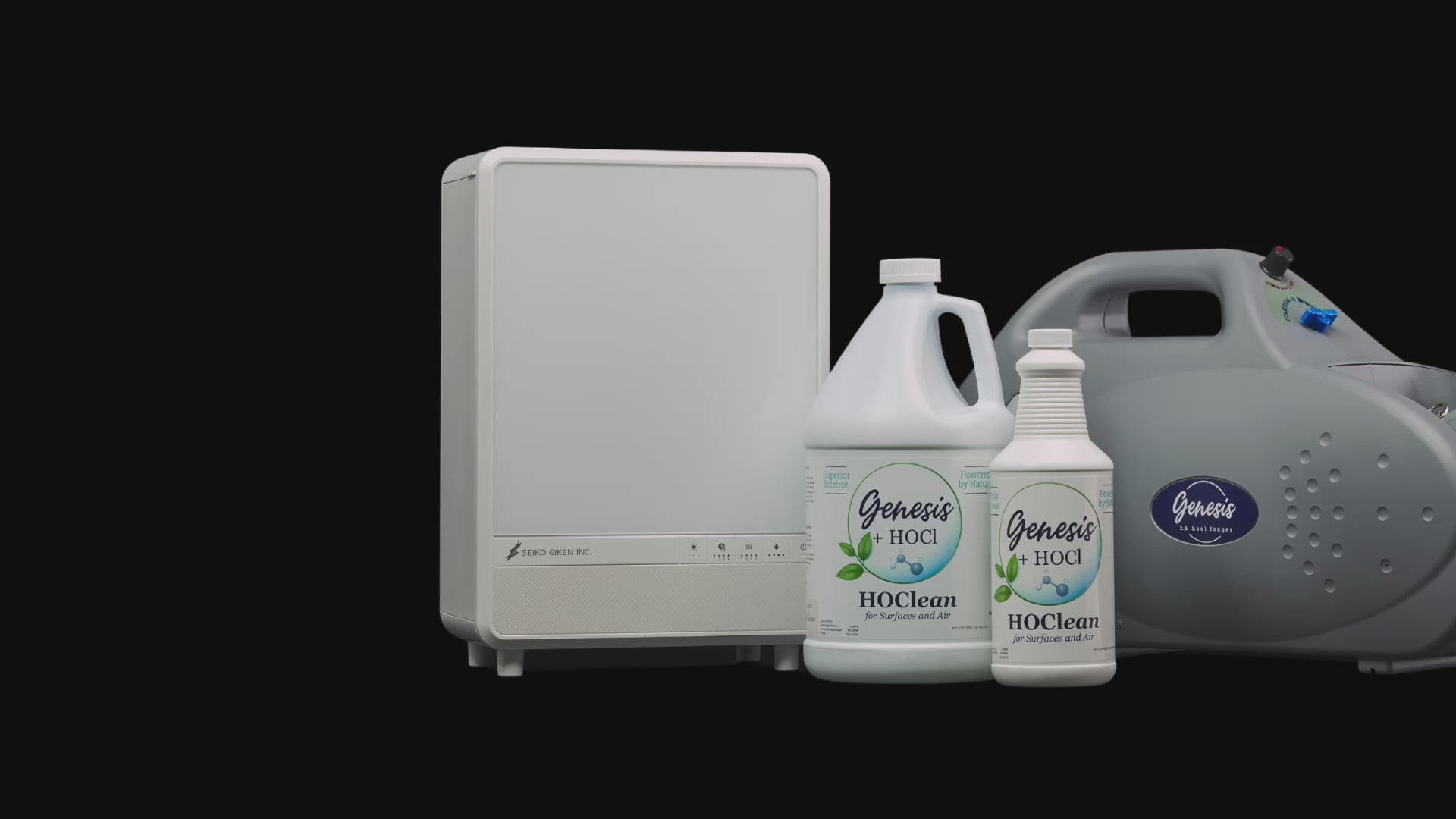
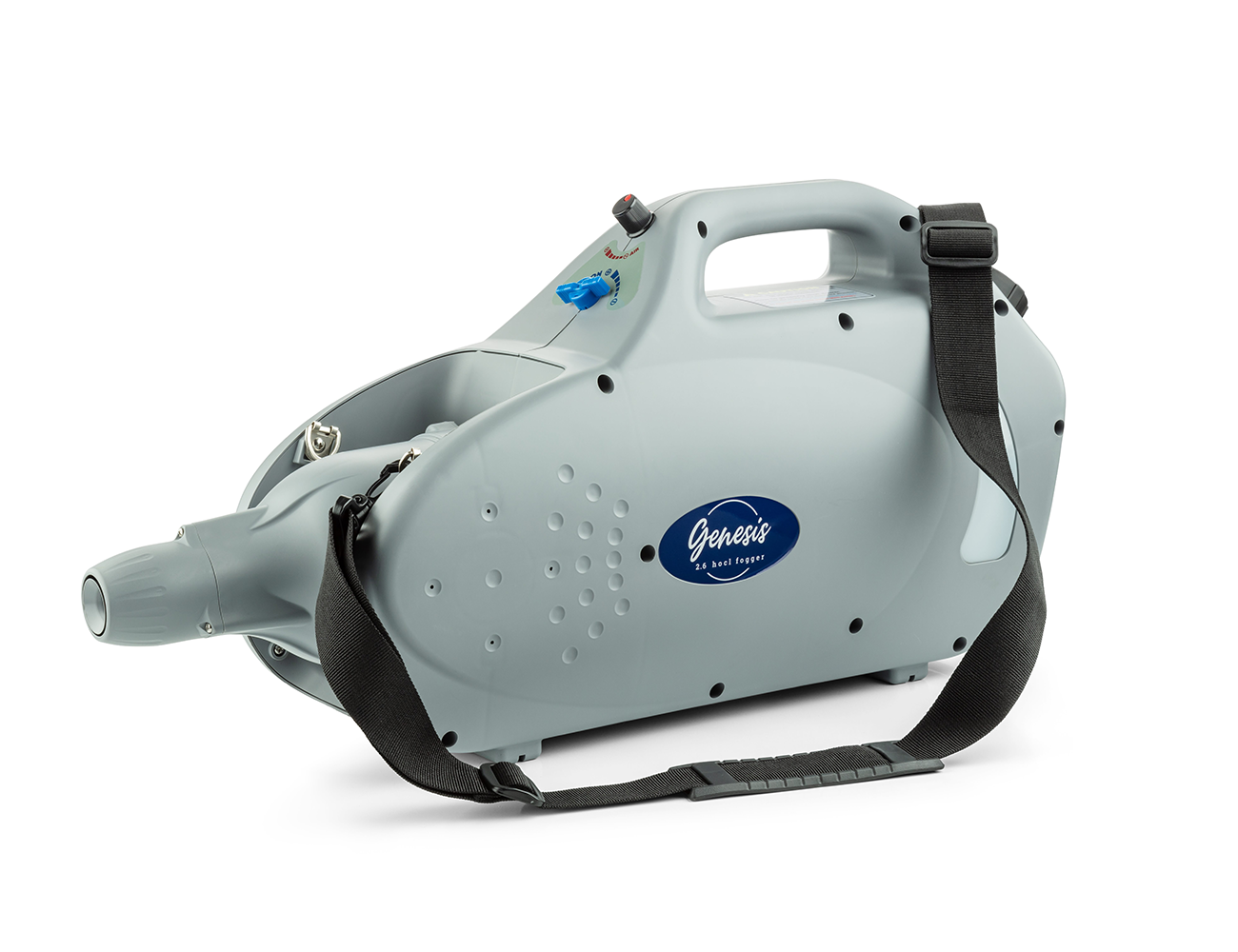
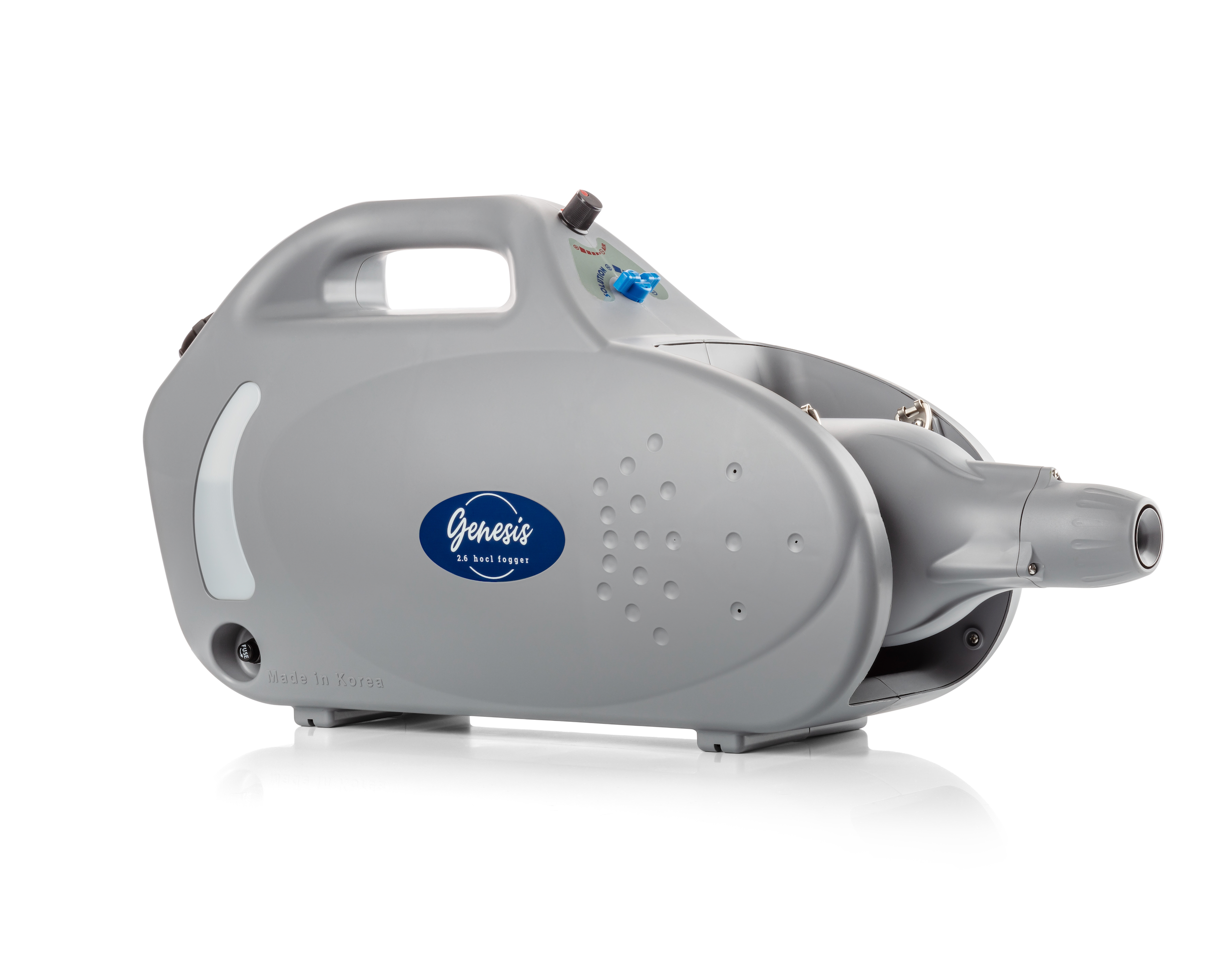
Our flagship model, the Genesis 2.6 HOCl Fogger, makes quick work of treating trailers and stalls, while its powerful reach allows coverage up to 30 feet high — extending to rafters and upper airspace in larger enclosed riding arenas—addressing both shared air and surface environments without harsh, irritating chemicals.
While visible organic matter should still be physically removed with good stable practice, HOCl atomizing enhances overall environmental care by treating areas wipes and sprays cannot reach. Because HOCl is bio-identical to a component of the horse’s natural immune response, it delivers impressive performance while remaining gentle, non-toxic, and safe for both horses and handlers — redefining what modern equine biosecurity can look like.
HOCl Atomizing — Inspired by the Horse’s Natural Immune Defense
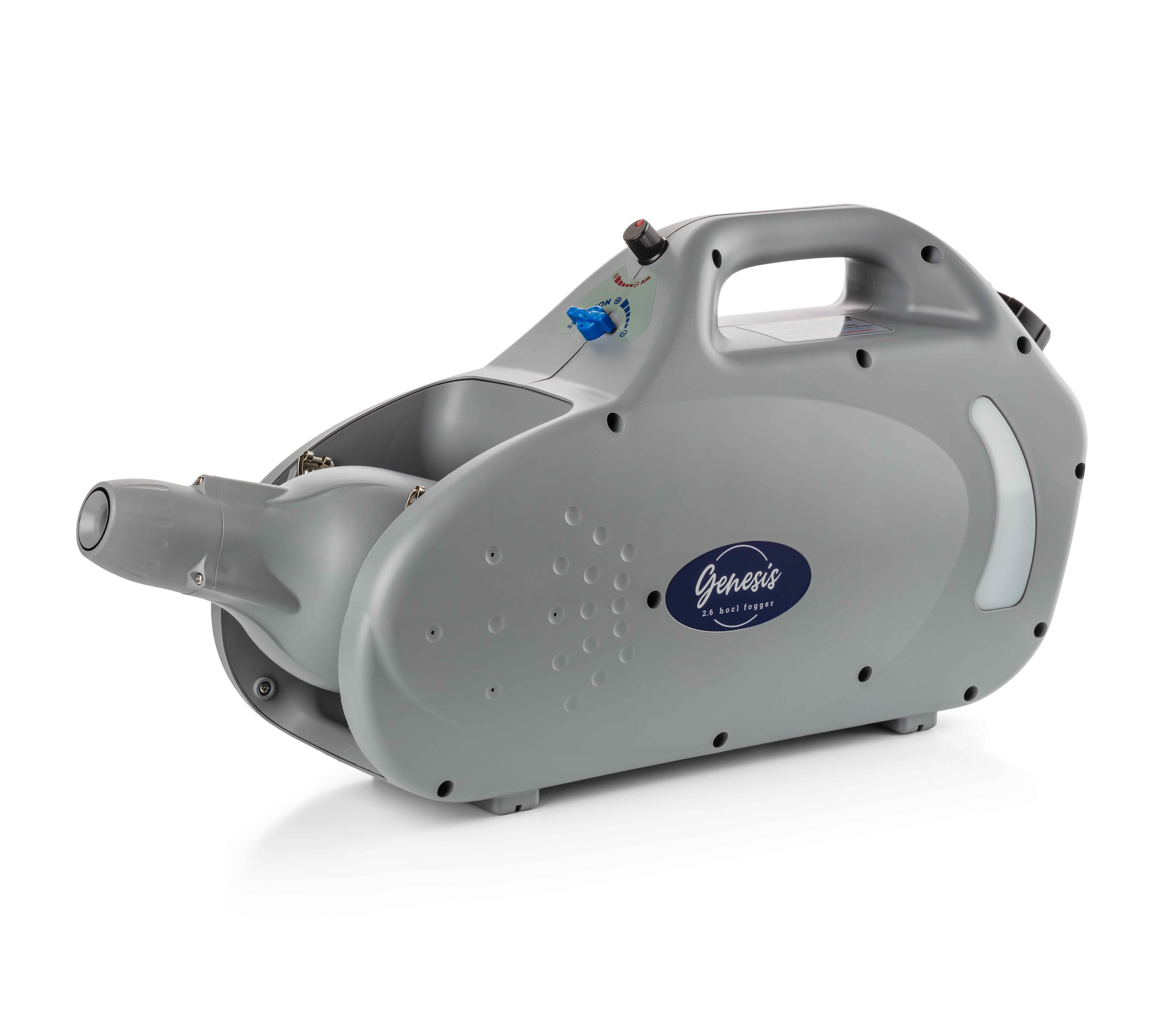
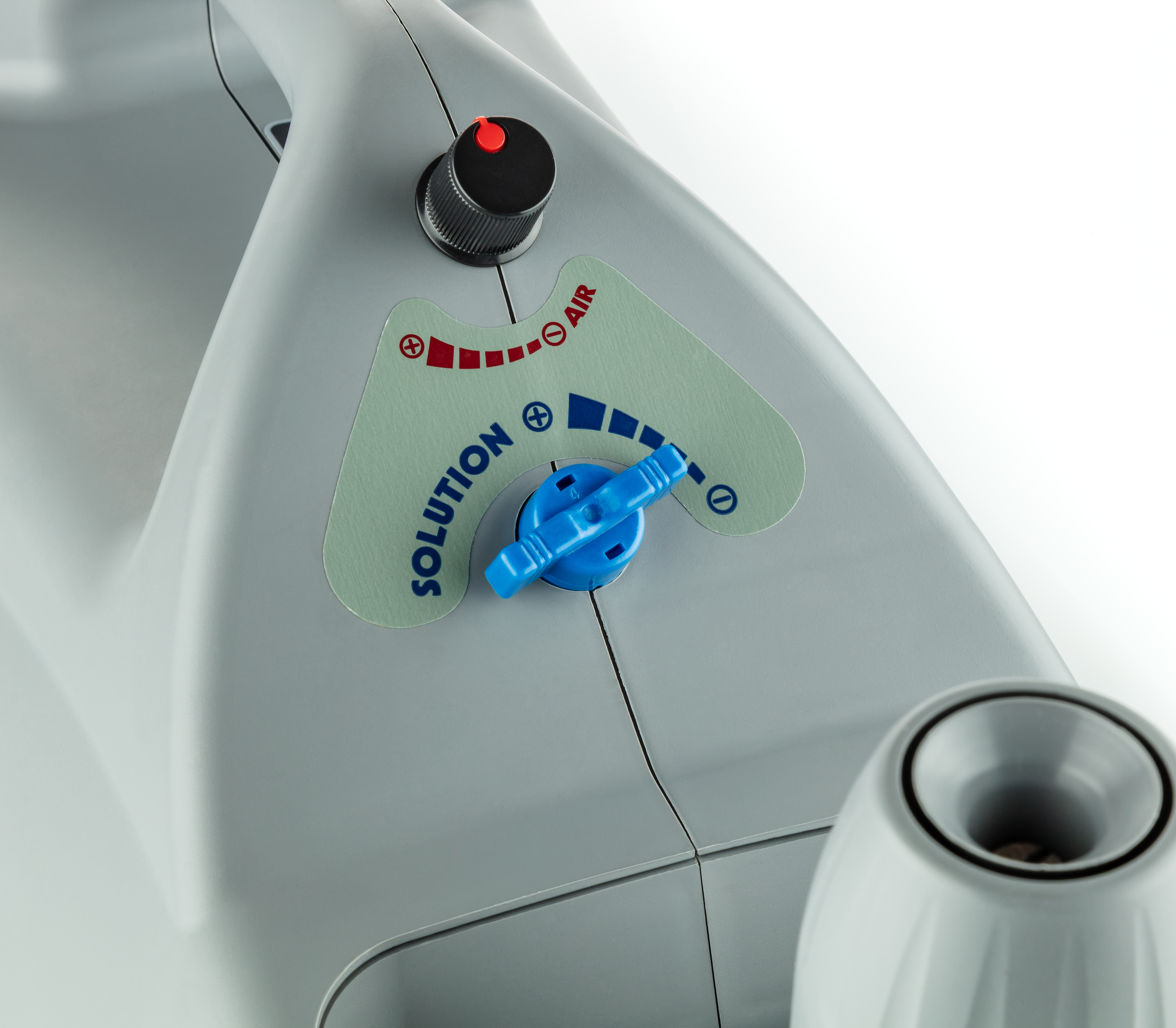
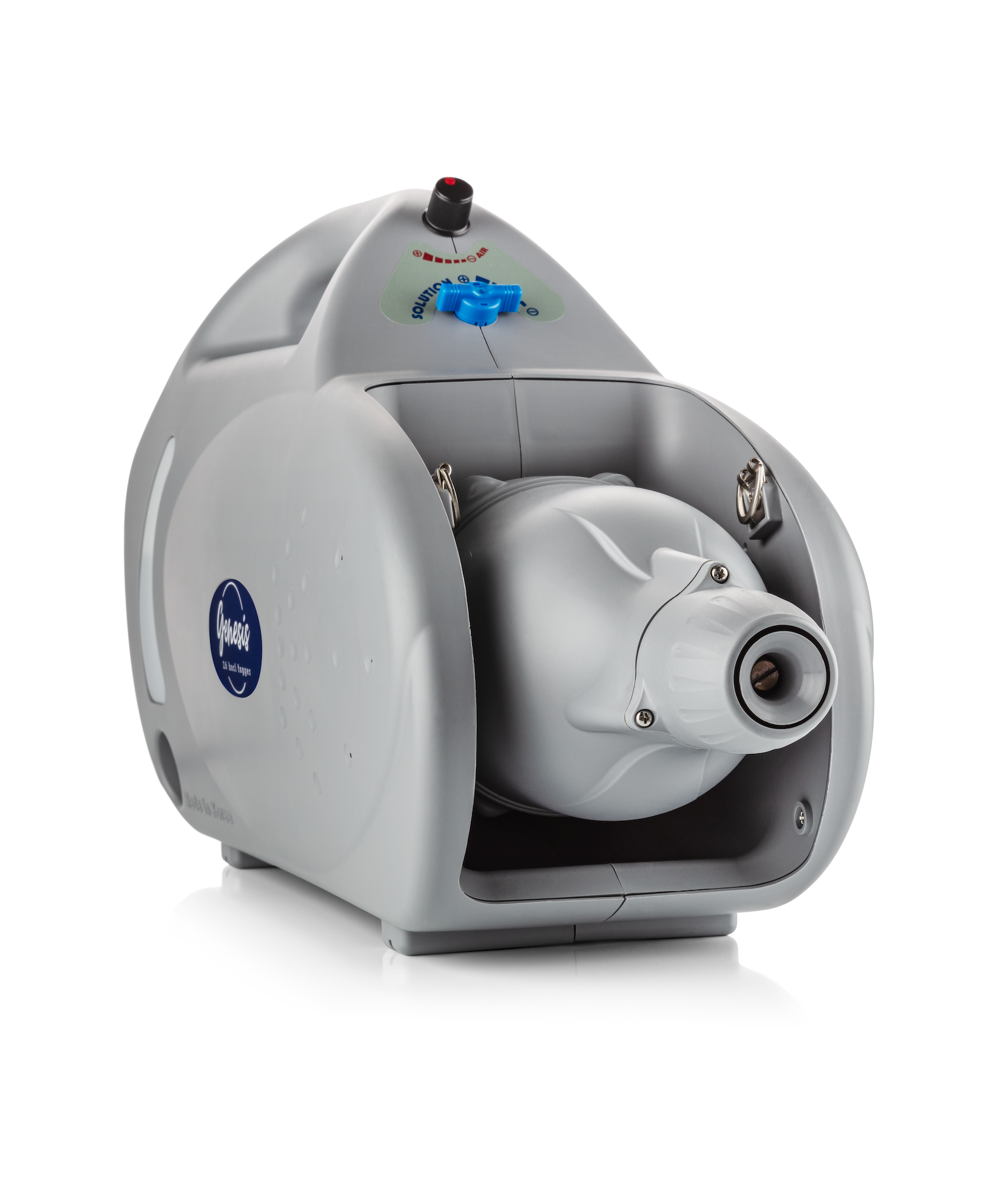
Genesis 2.6 HOCl Fogger—Reduces Musty Odors from Mold & Mildew
Ideal for Stalls, Aisles, Trailers, Arenas, and Tack Rooms
The Genesis 2.6 delivers rapid, portable HOCl atomizing—designed to reach stalls, aisles, trailers, and high rafters up to 30 feet. Ideal for daily use before hauling, after events, or anywhere horses live, breathe, and recover.
View full details*Don't forget to add HOCl solution to your order, available in gallons or quarts*
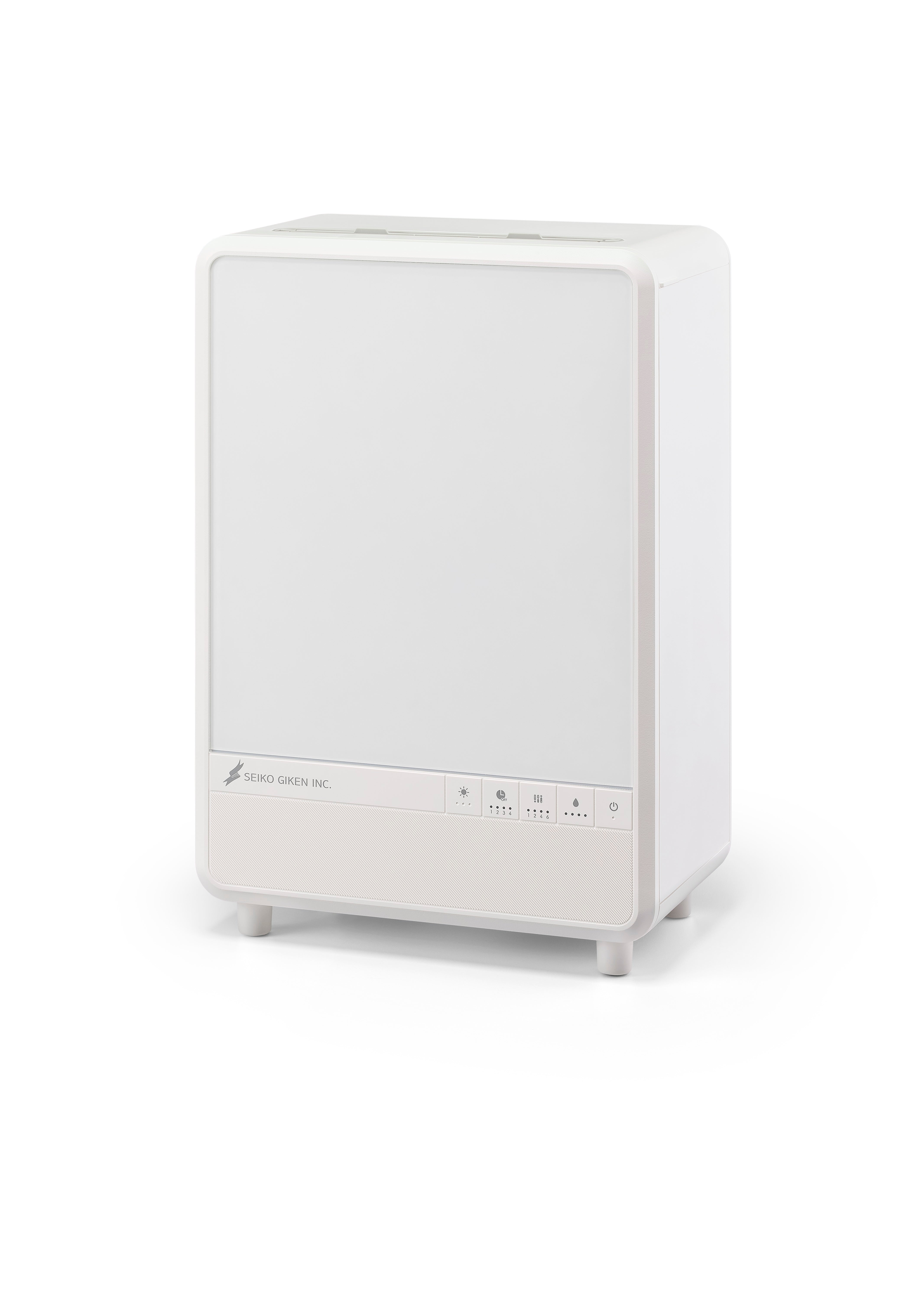
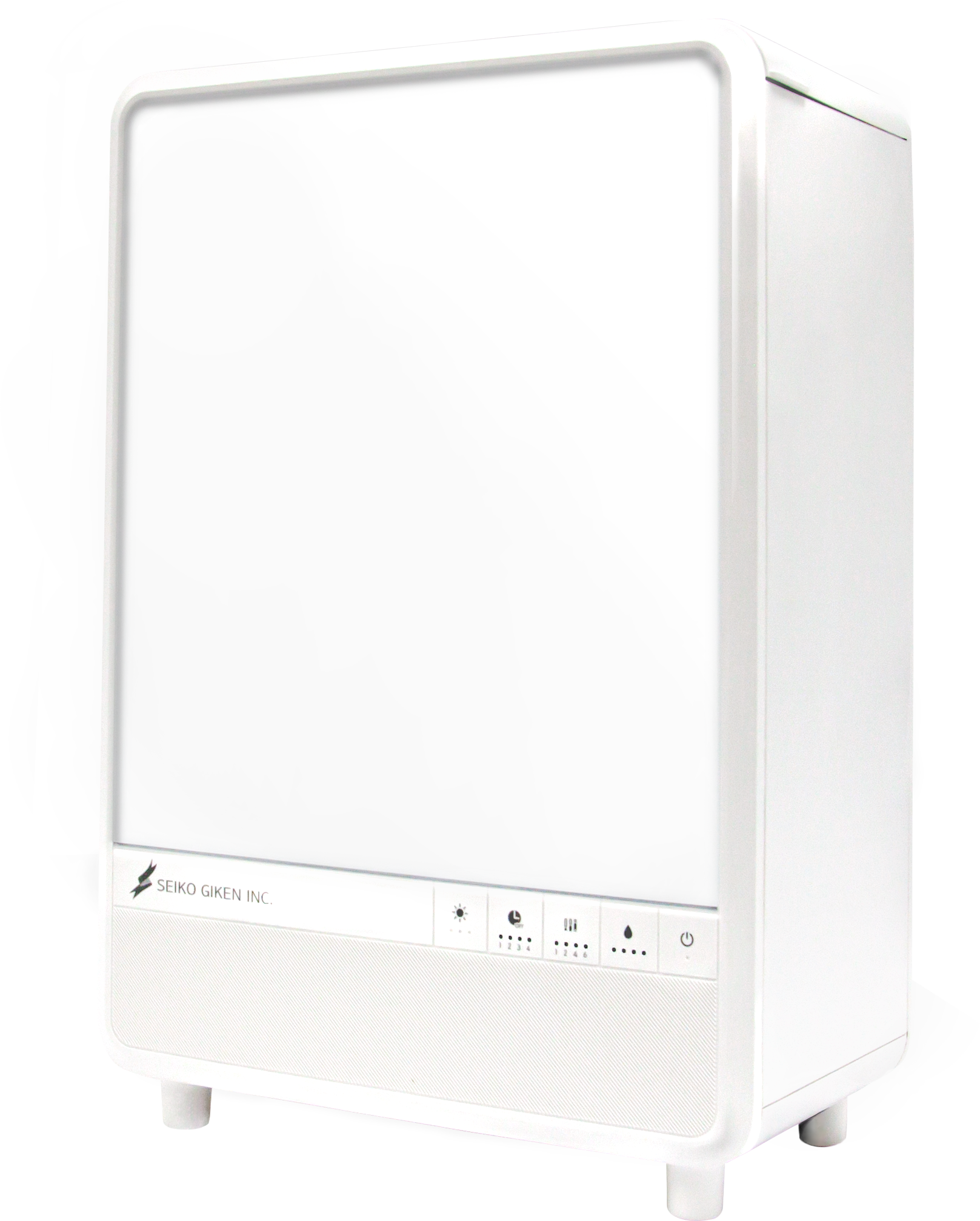
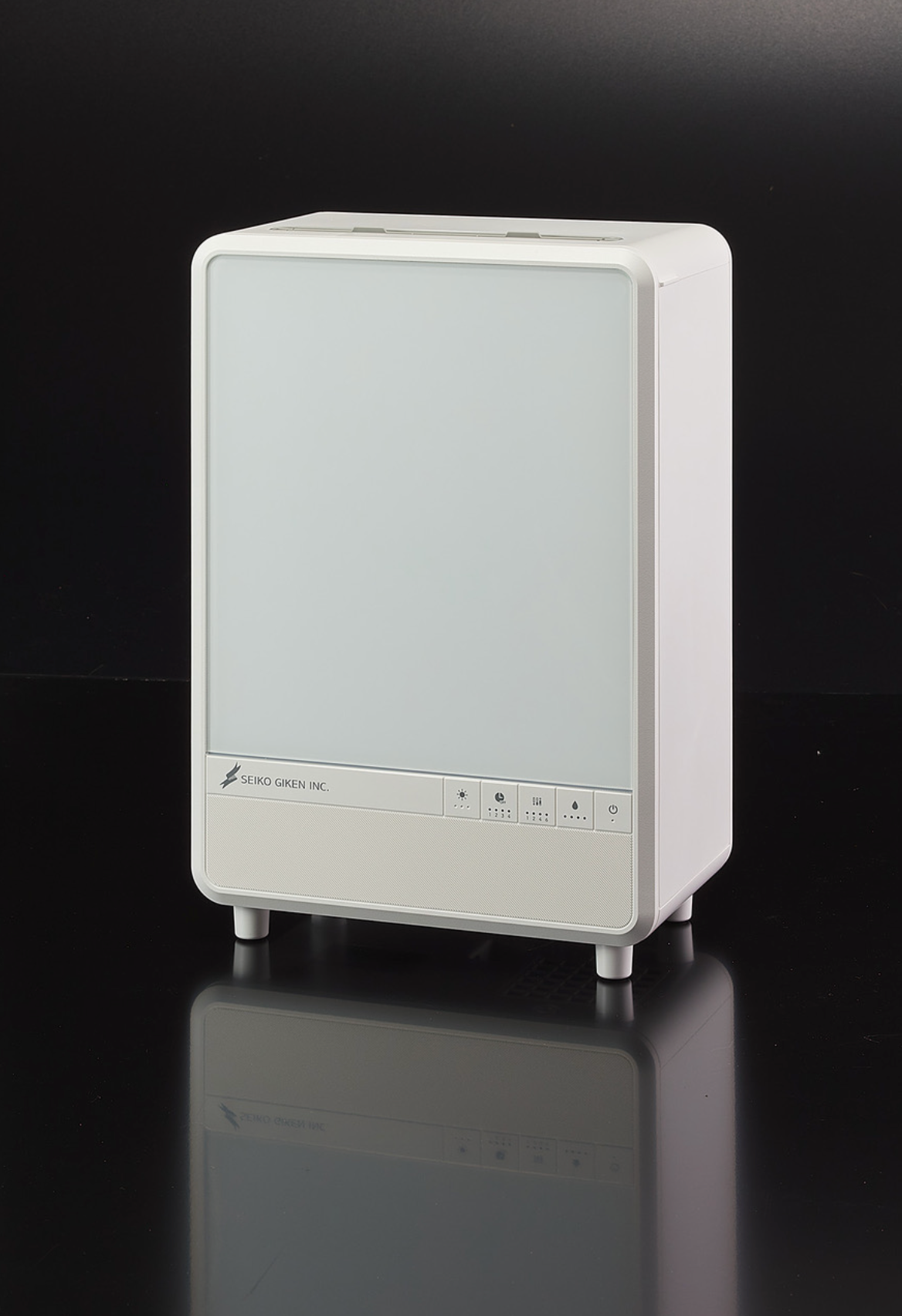
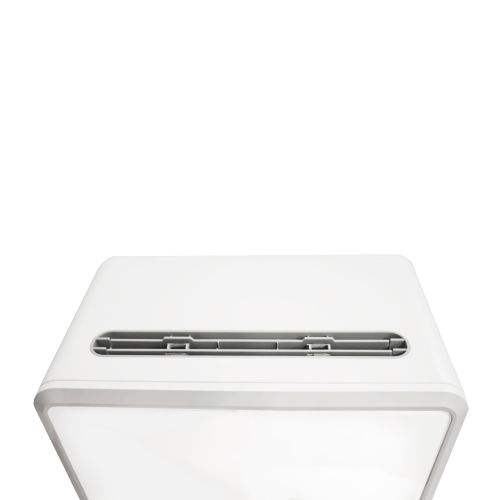
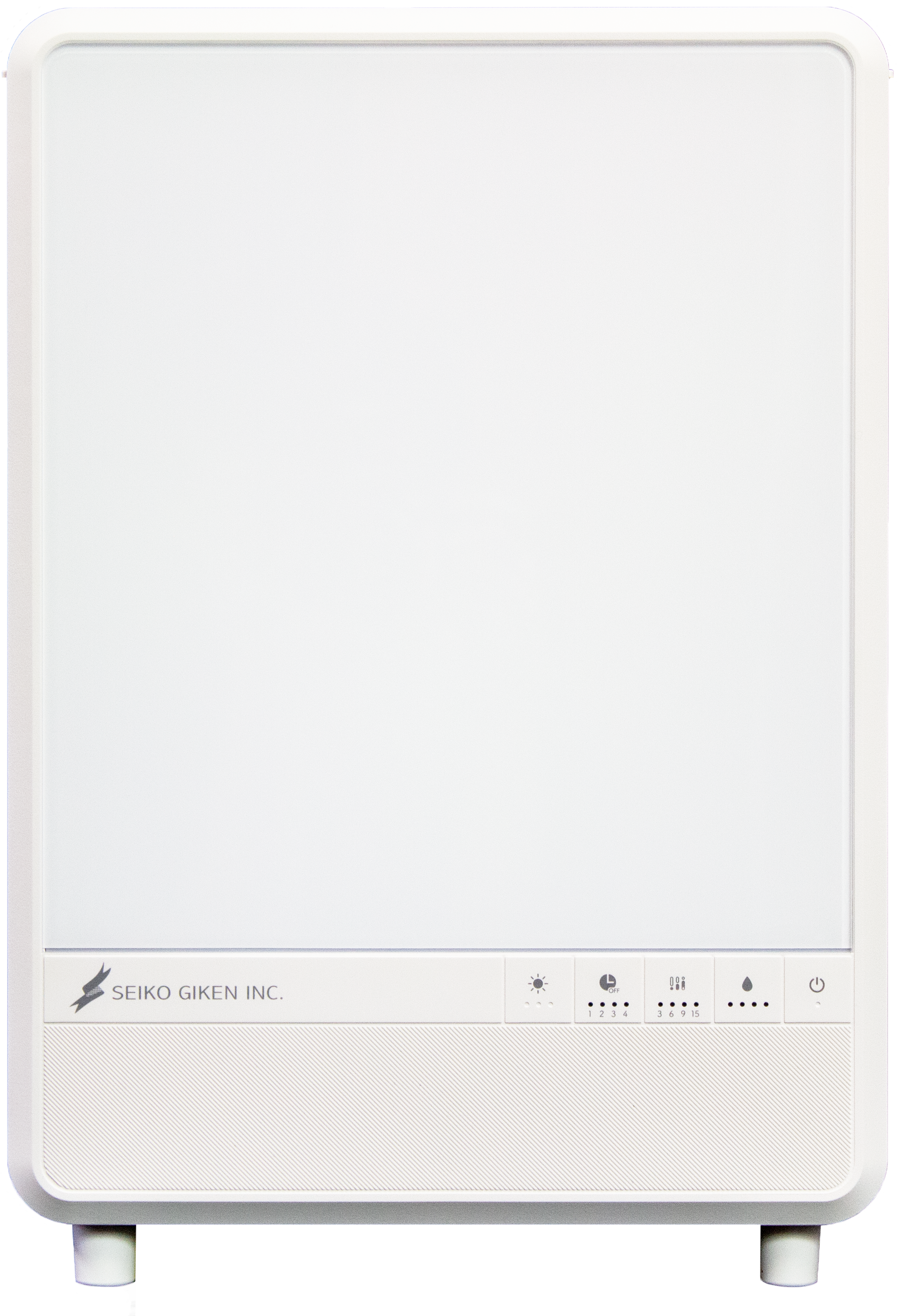


Genesis UX4—Stationary HOCl Atomizer for Musty Odors from Mold & Mildew
Perfect for the Tack Room
Whisper-quiet, continuous disinfection for air and surfaces. — "Set it, and forget it," and enjoy a cleaner, fresher space.
View full details*Don't forget to add HOCl solution to your order, available in gallons or quarts*


Barn Managers:
You Wipe Everything Else—What about the Air?
We understand that you carry a huge responsibility, and now with EHV-1, even more so—not just for the horses in your care, but also for maintaining the confidence of the boarders and riders who trust you. While most visitors aren’t thinking about the air, as a manager you can quickly and confidently explain that you’ve stepped up your daily protocols to include treating the air itself, since it’s just as important to keep clean as the surfaces everyone touches.
HOCl atomizing gives you a way to elevate your entire cleaning routine without adding countless hours to your daily cleaning and disinfecting protocols. In just a few minutes, you can address stalls, tack rooms, walkways, shared equipment, and the air horses breathe—all with a gentle, horse-safe solution that works far beyond traditional disinfecting methods. HOCl atomizing is a simple, modern upgrade that reassures boarders and strengthens the health of the entire barn.
BLOG: December 1st, 2025
EHV-1: What Everyone Who Works with Horses Needs to Know Right Now
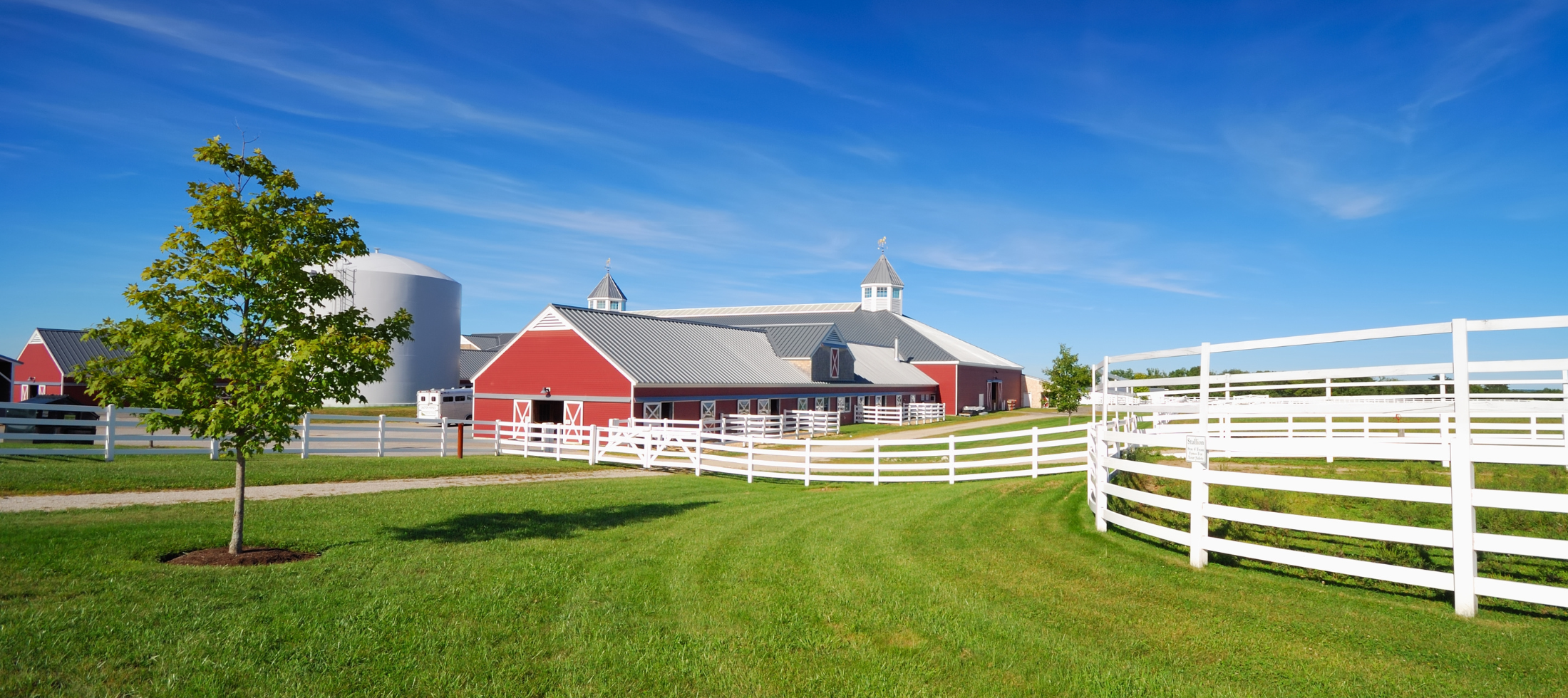
How a simple, natural step can elevate your cleaning routine without slowing you down—and help you breathe easier.
EHV-1 (Equine Herpesvirus-1) is a highly contagious virus that causes respiratory illness and can result in severe neurological disease. Symptoms can include fever, cough, and nasal discharge. Horses can shed the virus even when they show no outward symptoms.
#1 — Why Bleach Doesn’t Belong in Barns
Harness the Power, Not the Harshness

As EHV-1 concerns continue to rise, many horse owners are told that household bleach is the best option for disinfecting shared equipment and surfaces—mostly because it's all they've known. When people hear ‘disinfectant’ they picture bleach. Harshness has been mistaken for strength, but that doesn’t make it the best. In fact, chlorine bleach’s drawbacks in equine environments far outweigh its usefulness.
HOCl (hypochlorous), another member of the chlorine family, is the gentle giant—much like your horse itself. Its effectiveness comes from its natural, bio-identical profile. Sometimes the solution that works best is also the one nature designed, not a harsh, industrially manufactured chemical.
#2 - It’s Not Just Surfaces—It’s the Air
Surfaces Are Only Half the Battle
We all know viruses spread on shared surfaces, but the greater threat in busy barns is shared air —so what steps are you taking to address the air in your equine environment? - CHLORINE BLEACH CANNOT BE ATOMIZED!
Now imagine a technology that can treat both the air and surfaces at the same time—adding a necessary layer of daily protection—using a solution modeled after the horse’s own natural immune system. Curious? Let’s explain.
#3 - Meet Hypochlorous (HOCl)
Bio-Identical to the Horse’s Natural Immune System
What truly differentiates HOCl as a disinfectant is its biological compatibility. It’s not an artificial substance — it's produced naturally by the white blood cells in all mammals, including horses, as a primary defense against invading pathogens. At the cellular level, a horse’s immune system generates HOCl to neutralize bacteria, viruses, and fungi. This “mammal component” is why HOCl is:
- Non-allergenic
- Non-toxic
- Non-irritating
- Safe for routine exposure
- Safe for use in occupied spaces
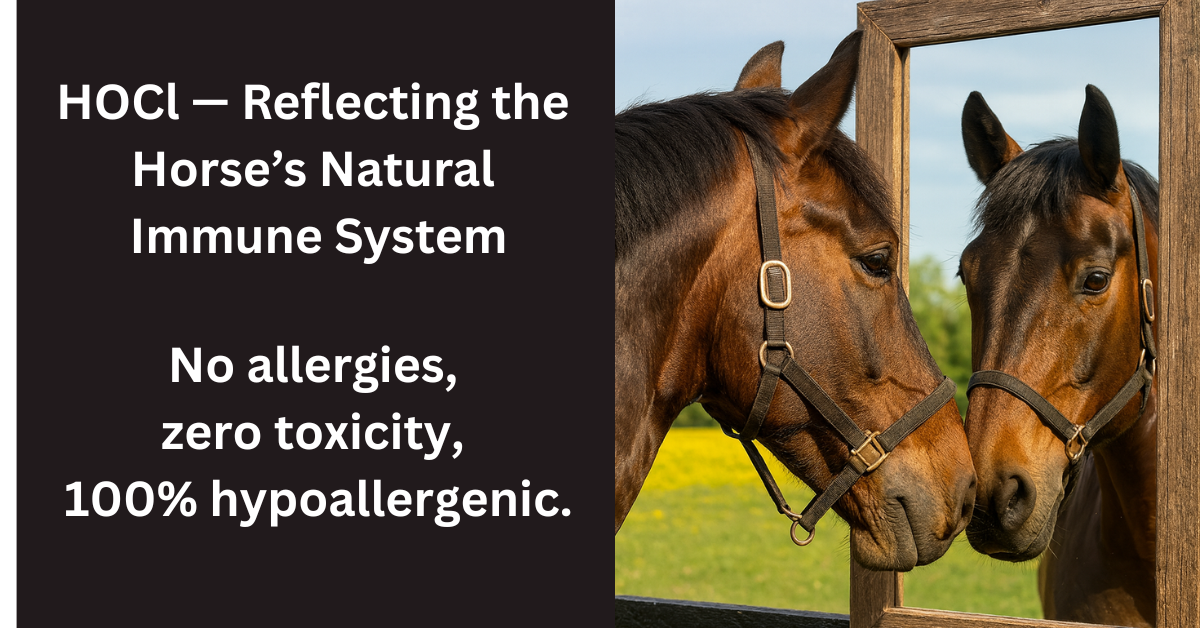
Consider this: HOCl is a compound that mirrors the very chemistry horses rely on in their own immune response. This is why HOCl—and especially HOCl used through modern atomizing technology—sits in a category all its own. HOCl is widely recognized in scientific literature for being both exceptionally gentle and broadly effective as a disinfectant when formulated and used as such, yet naturally compatible with biological systems because it’s the same molecule produced inside the body during immune defense.
Across multiple fields of research, Hypochlorous and HOCl atomizing has been studied for its ability to treat a wide range of microbial challenges. Published studies reference its activity against pathogens affecting dogs and cats, poultry, and other species, which is why interest in its applications around equine environments continues to grow.
#4 - HOCl vs. Bleach: No Contest
Chlorine exists in multiple chemical forms, but not all chlorine behaves the same. Standard household bleach is sodium hypochlorite (NaOCl), a harsh and unstable compound that is caustic (i.e. burns organic tissue and negatively impacts healthy cells), corrosive, irritating to respiratory systems, and unsafe for use around animals.
Hypochlorous acid (HOCl), by contrast, represents the purest and most effective form of available free chlorine (FC). It has the highest oxidizing cleaning power of all chlorine compounds, meaning it neutralizes viruses and microbes more efficiently and at far lower concentrations.
In simple terms:
- Bleach is aggressive and damaging (very high pH of 11-13)
- HOCl is powerful, yet gentle (nearly neutral pH of 5.5 -6.5)
This makes HOCl uniquely suited for equine environments where constant exposure to harsh chemicals can compromise respiratory health, coat condition, and overall animal well-being.
HOCl: Nature’s Smart Chemistry

#5 - The Workhorse Your Barn Has Been Missing
Treating Air & Surfaces Simultaneously, Without Slowing You Down
One of HOCl’s greatest advantages—especially during heightened EHV-1 concerns—is that it’s the only solution that can be safely atomized to treat both air and surfaces at once. This gives barns the ability to elevate daily hygiene without interrupting routines, moving horses, or requiring protective gear. This is where the Genesis 2.6 HOCl Fogger comes in. The 2.6 quickly delivers an ultra-fine, mist treating stalls, tack rooms, and high-traffic areas (and trailers) in minutes—without moving horses or adding extra labor. This means rapid, practical coverage across:
• Horse trailers (before and after transport)
• Barn aisles, stalls, and shared walkways
• Tack rooms and feed rooms
• Buckets, troughs, and feeding equipment
• Grooming tools, blankets, gates, and other high-touch surfaces
Misting allows HOCl to reach crevices, corners, and elevated areas that traditional wipes and sprays miss—without harsh fumes, corrosive residue, or disruption. That makes it ideal for the spaces where horses continue to live, breathe, rest, and recover every day.
Fast. Comprehensive. Effective.